Pink Makeup Sponge for Foundation: Honest Review
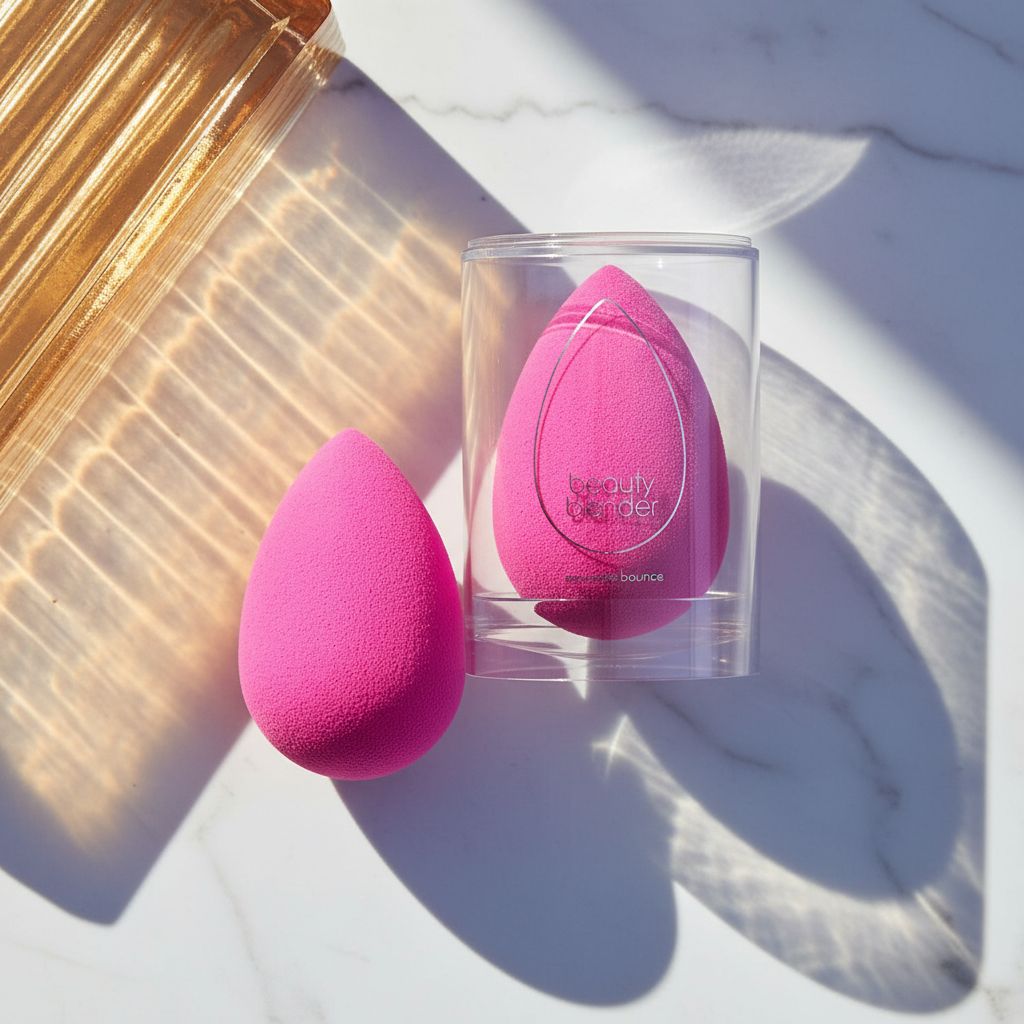
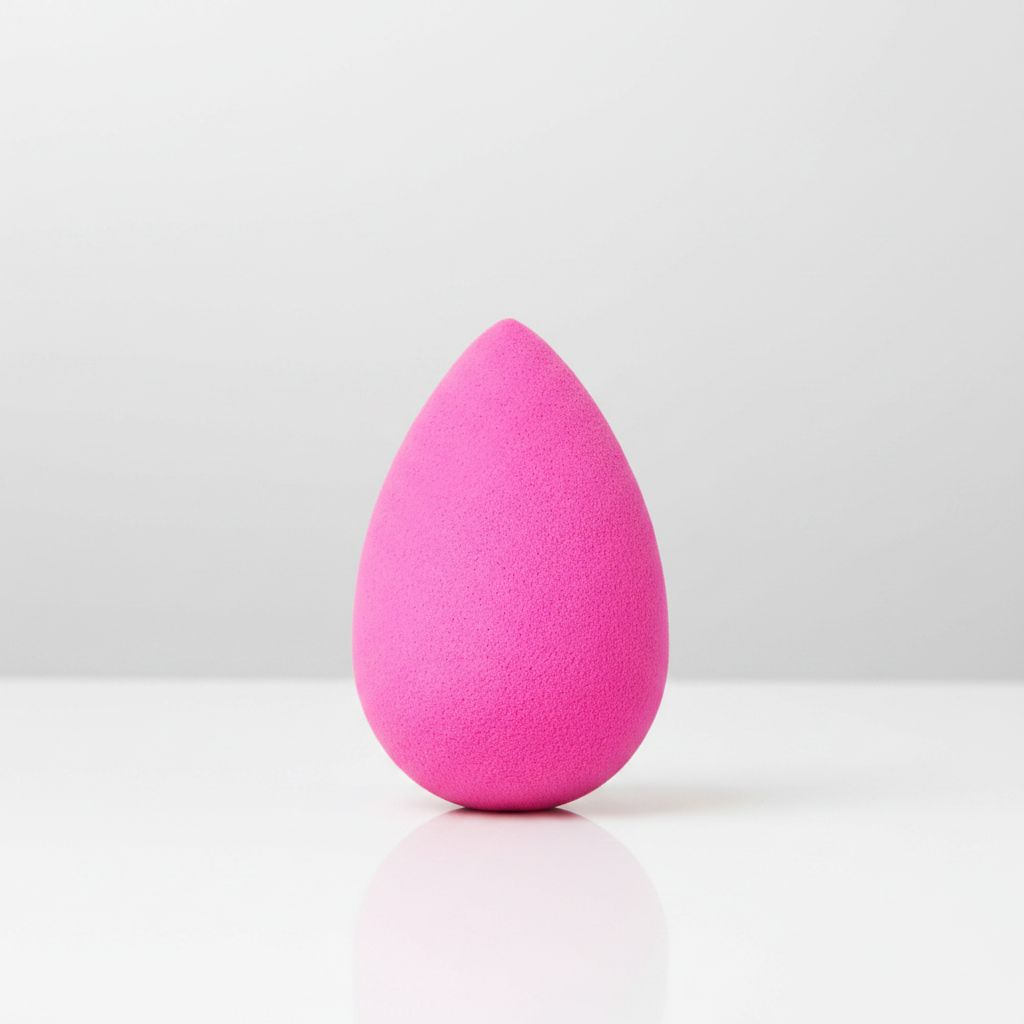
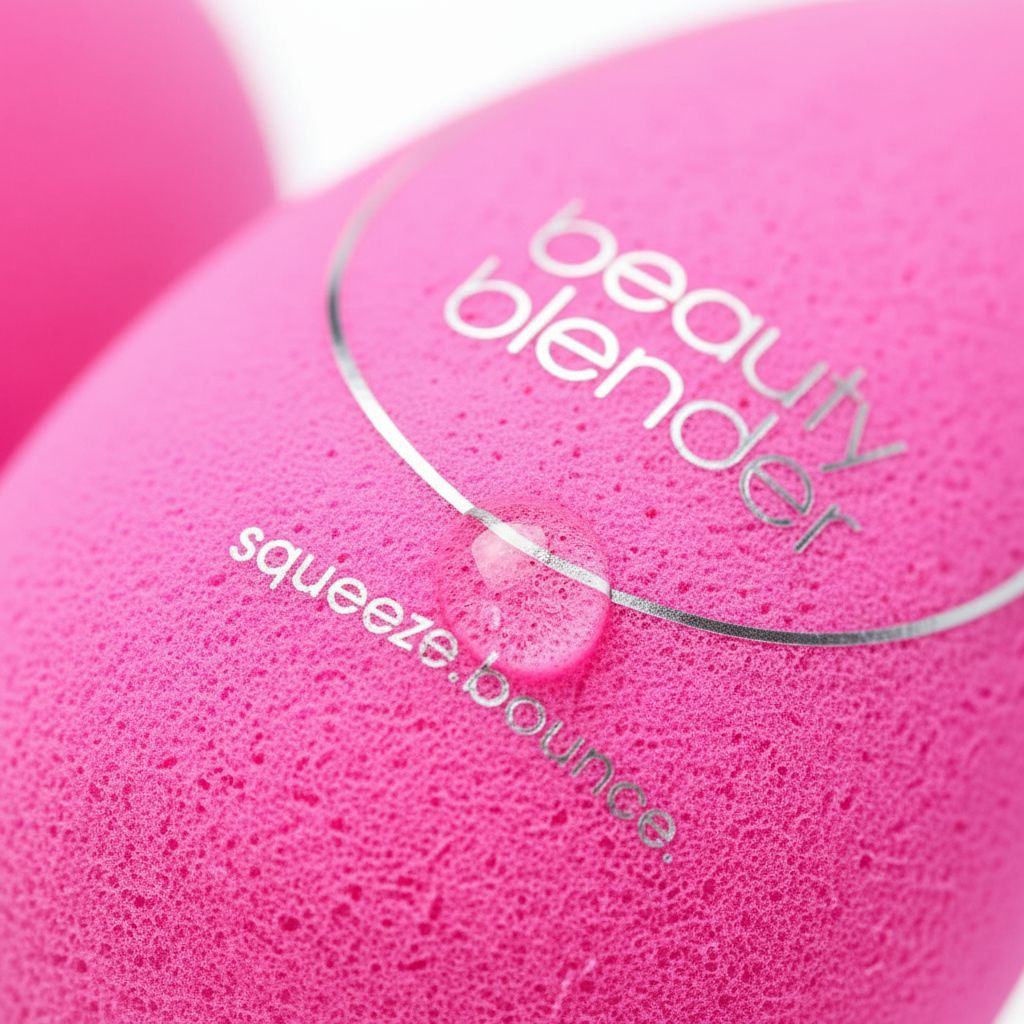
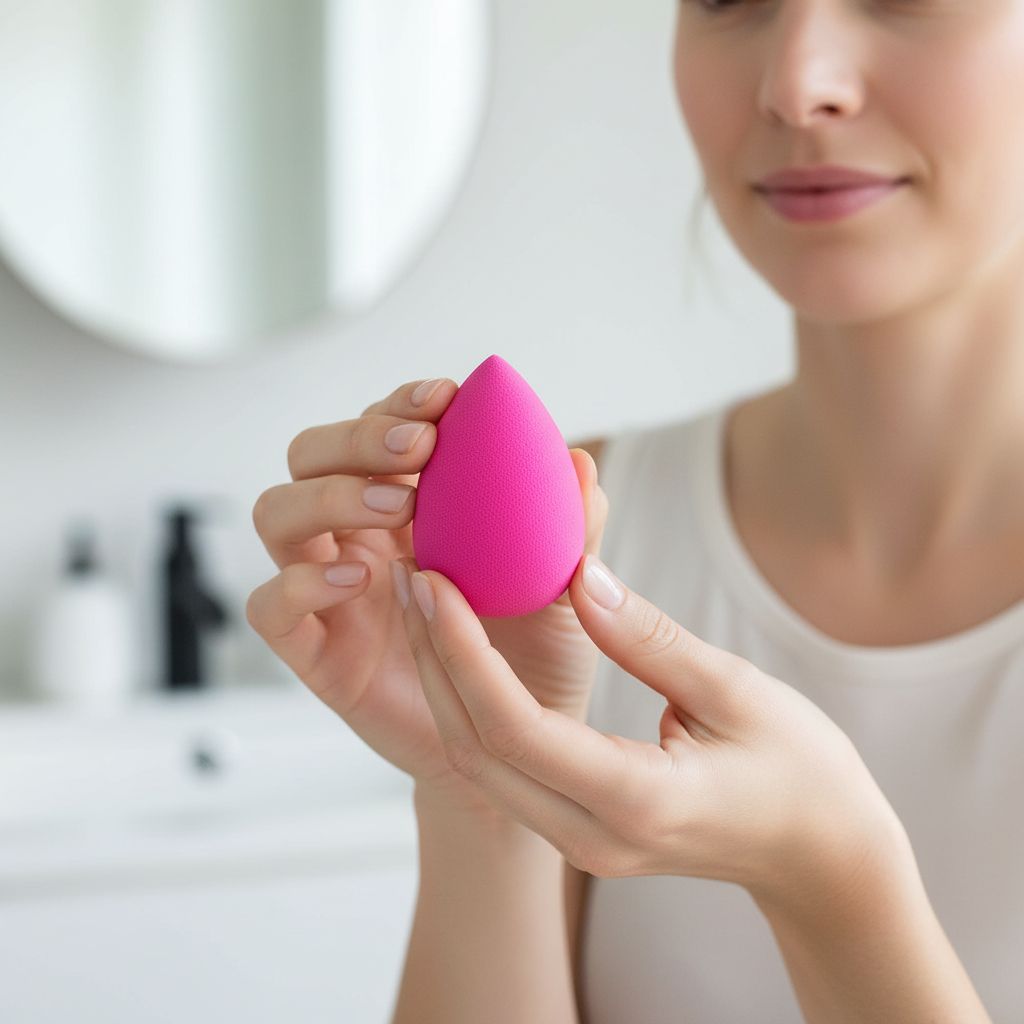
The egg-shaped pink sponge that launched a thousand tutorials still earns its counter space, but I needed to use it every single day for three weeks before I finally understood why.
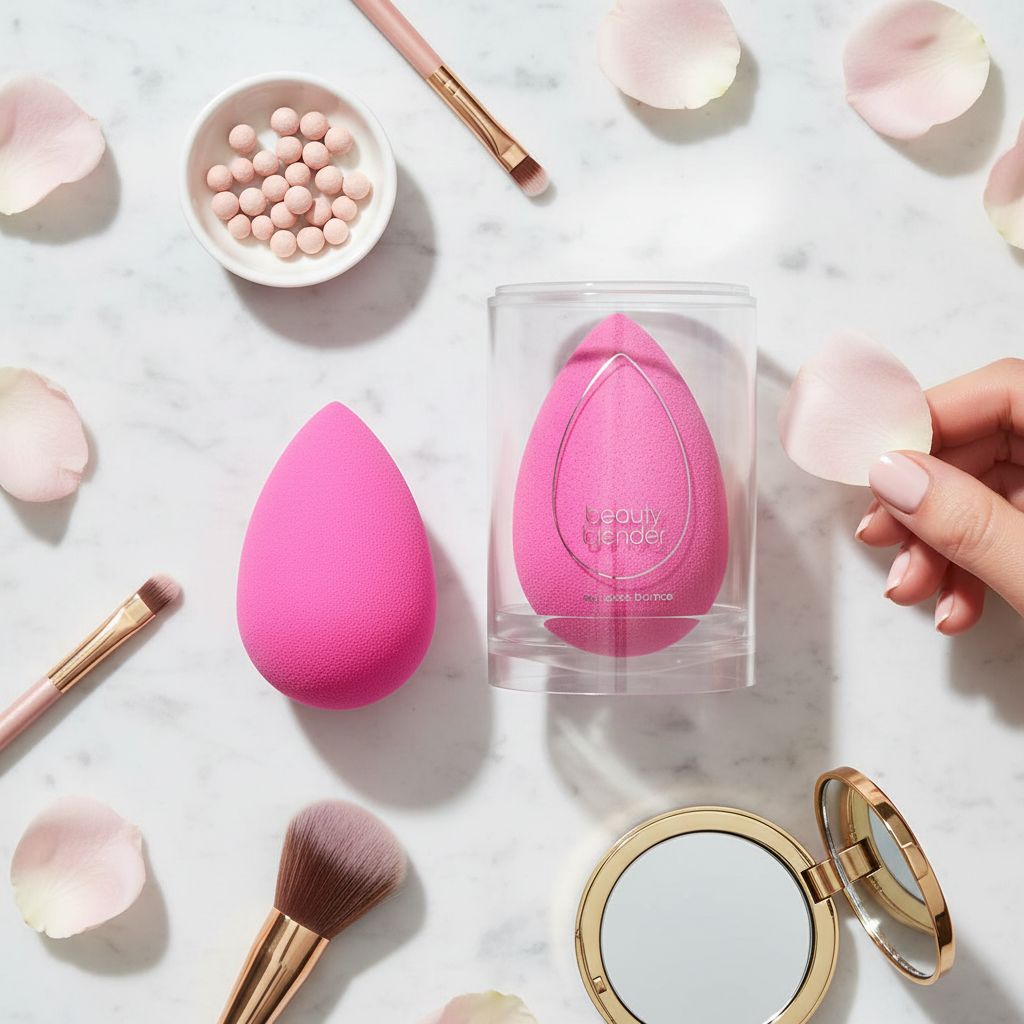
There is a specific kind of Sunday morning light in my bathroom, the kind that comes in low and sideways and shows everything. Every dry patch, every line, every unblended edge. It is the most honest mirror I own, and it is ruthless. I had been using a flat foundation brush for months, feeling vaguely professional about it, until one particular Sunday when the light caught the side of my jaw and I looked, objectively, streaky. That was the morning I reached for the Beautyblender Original Pink Beauty Blender Makeup Sponge, the one that had been sitting in a ceramic dish on my counter like a small, patient egg. I had bought it weeks ago, assumed I already knew what it did, and ignored it. Rookie mistake.
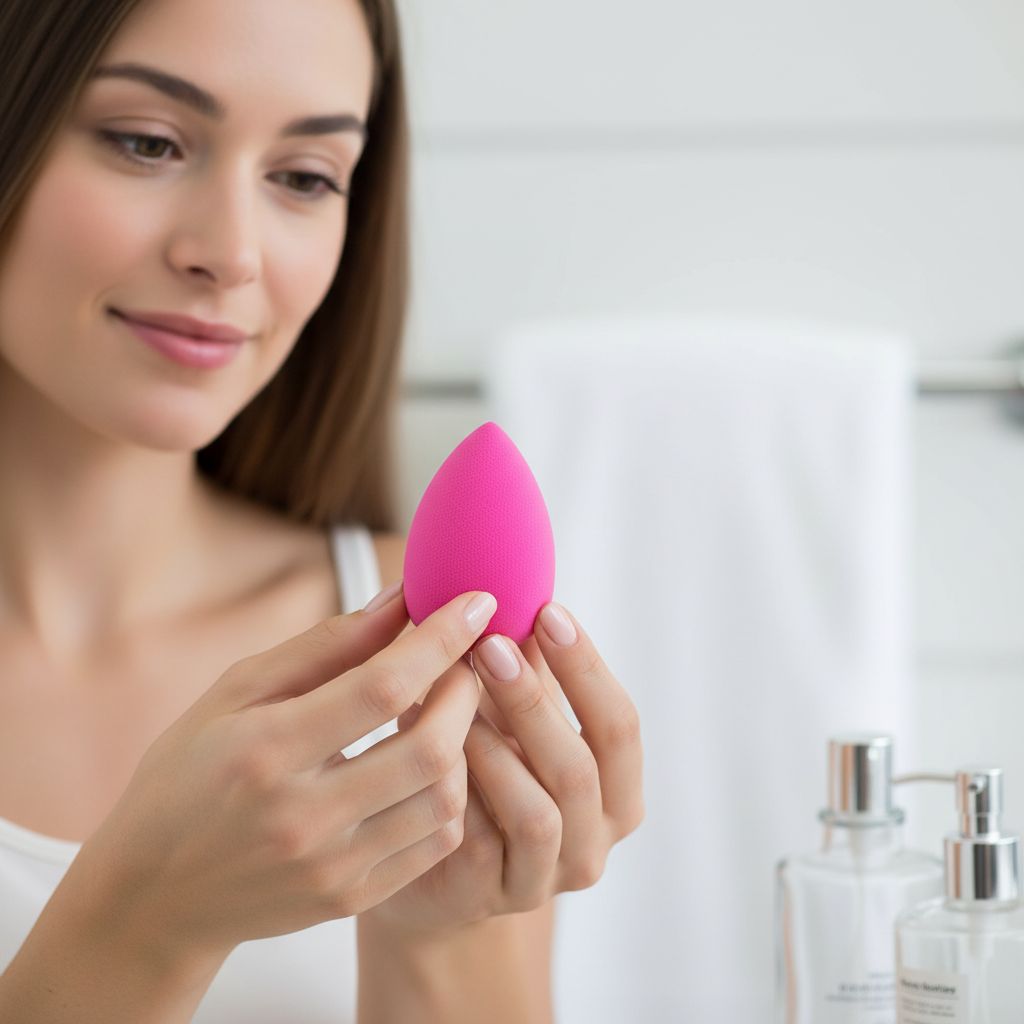
The First Time I Tried It
I came across the beautyblender the same way most people do: late at night, watching a foundation tutorial where the finished skin looked impossibly smooth and the creator kept saying “just bounce it, just bounce it” with the energy of someone who genuinely could not believe this was a real technique. I had owned a version of a damp beauty blender makeup sponge before, a drugstore knockoff, and it had been fine in the vague, uninspiring way that knockoffs are fine. But after the streaky Sunday incident, I decided it was time to try the original.
I ran it under warm water, squeezed out the excess, and held it in my palm. It had doubled in size. That was when I started to take it more seriously.
How It Actually Performs
The super-soft foam construction is the detail that separates this from every budget alternative I have tested. It compresses and releases with a springiness that feels almost tactile in a satisfying way, like pressing a finger into cool bread dough. When I dotted a pump of serum foundation across my cheeks and started bouncing, the product moved across my skin with a kind of sheerness that a brush simply does not replicate. There were no lines. No patches. The stippling motion pushes product into skin rather than dragging it across, and the difference shows up immediately in texture and finish.
“The stippling motion does something a brush simply cannot, it deposits coverage without dragging the skin underneath.”
That said, there is a learning curve that the packaging does not fully warn you about. If you use too much product at once, the sponge absorbs a portion of it and your coverage thins out in ways that feel inconsistent until you find your ratio. I spent about four days calibrating how much foundation to use before results felt reliable. I also noticed the sponge picks up more product than I expected during the first few uses, which tracks with what the spring 2026 beauty trend report identifies as the shift toward “second-skin” finishes where less product and better tools produce more convincing results.
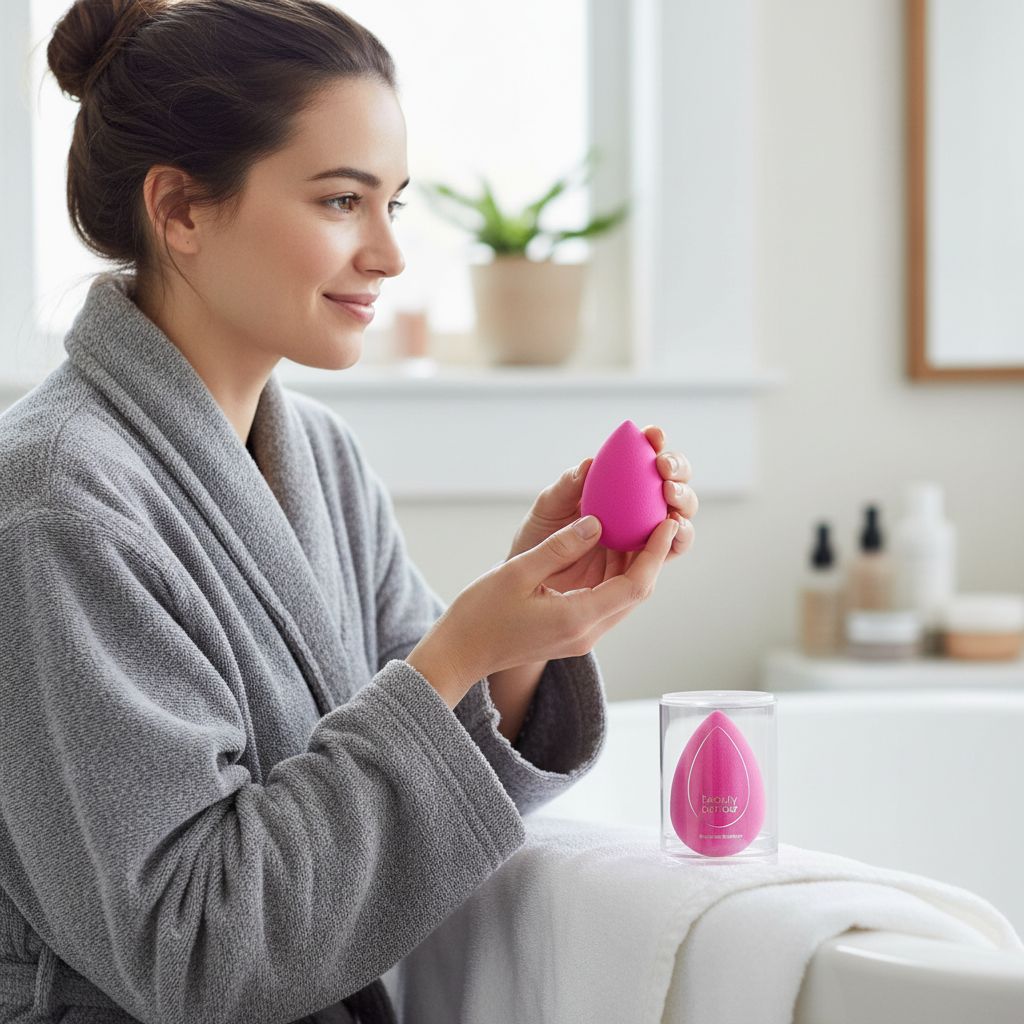
The Routines I Actually Used It In
Use Case 1: Sunday Reset, Unhurried Morning
This is where the beautyblender makeup sponge became a ritual rather than a tool. I wet it, squeezed it out, applied a light layer of tinted moisturizer first, bounced it in, then layered a half-pump of fuller-coverage foundation only where I needed it. The dampness in the sponge kept everything looking dewy without looking wet. I finished with a loose setting powder, using the dry end of the sponge to press it lightly into my T-zone. The whole application took about four minutes. I stood in that sideways bathroom light and my jaw looked clean and seamless. That almost never happens.
Use Case 2: Tuesday Commute, Seven Minutes Flat
On weekday mornings I am not the person with time for a careful routine. I squeezed the sponge under running water while my coffee brewed, shook it once, and applied a medium-coverage foundation in under three minutes. The bounce-and-stipple method is genuinely fast once it becomes muscle memory, faster than a brush on rushed mornings because there are no edges to blend out and no streaks to go back and fix. I walked out the door looking like I had made an effort. I had not. This is, honestly, one of the more useful things a daily makeup tool can do.
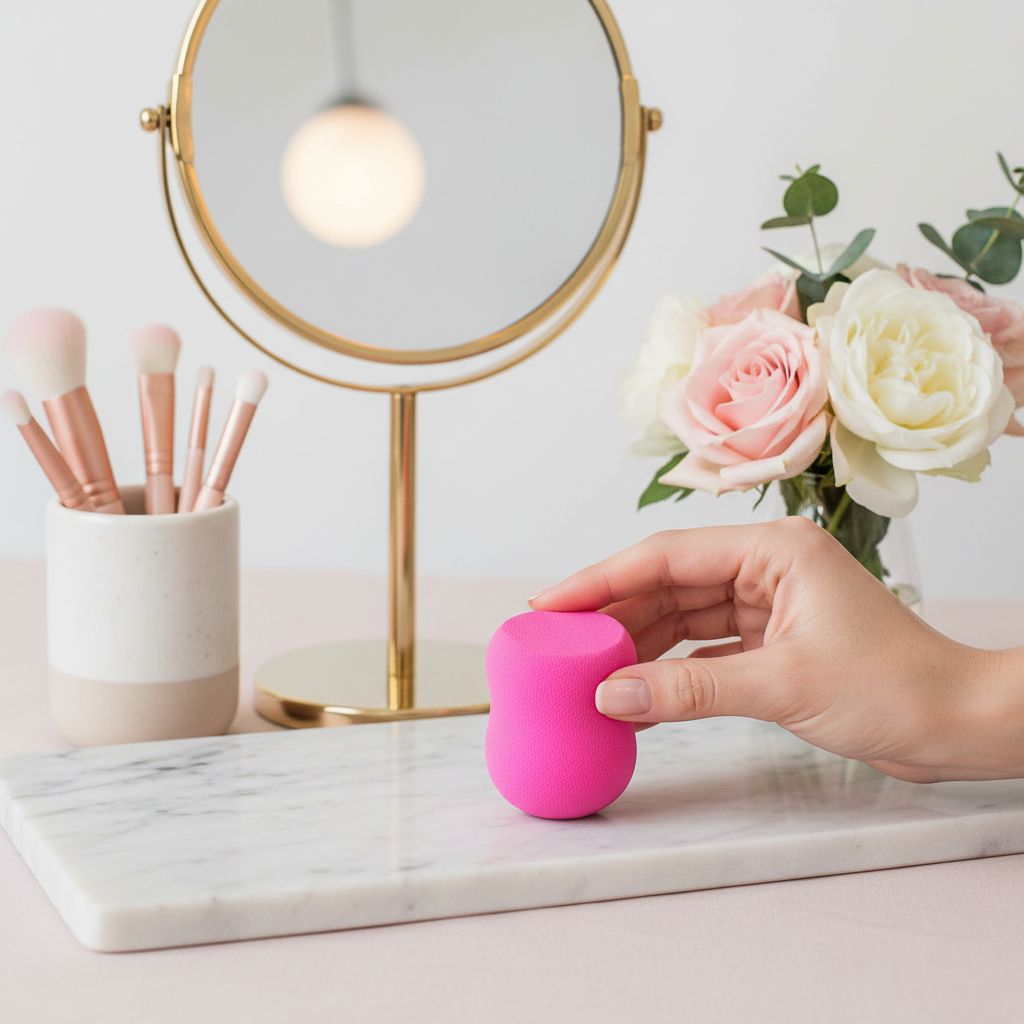
Use Case 3: Pre-Event Cream Contour and Setting
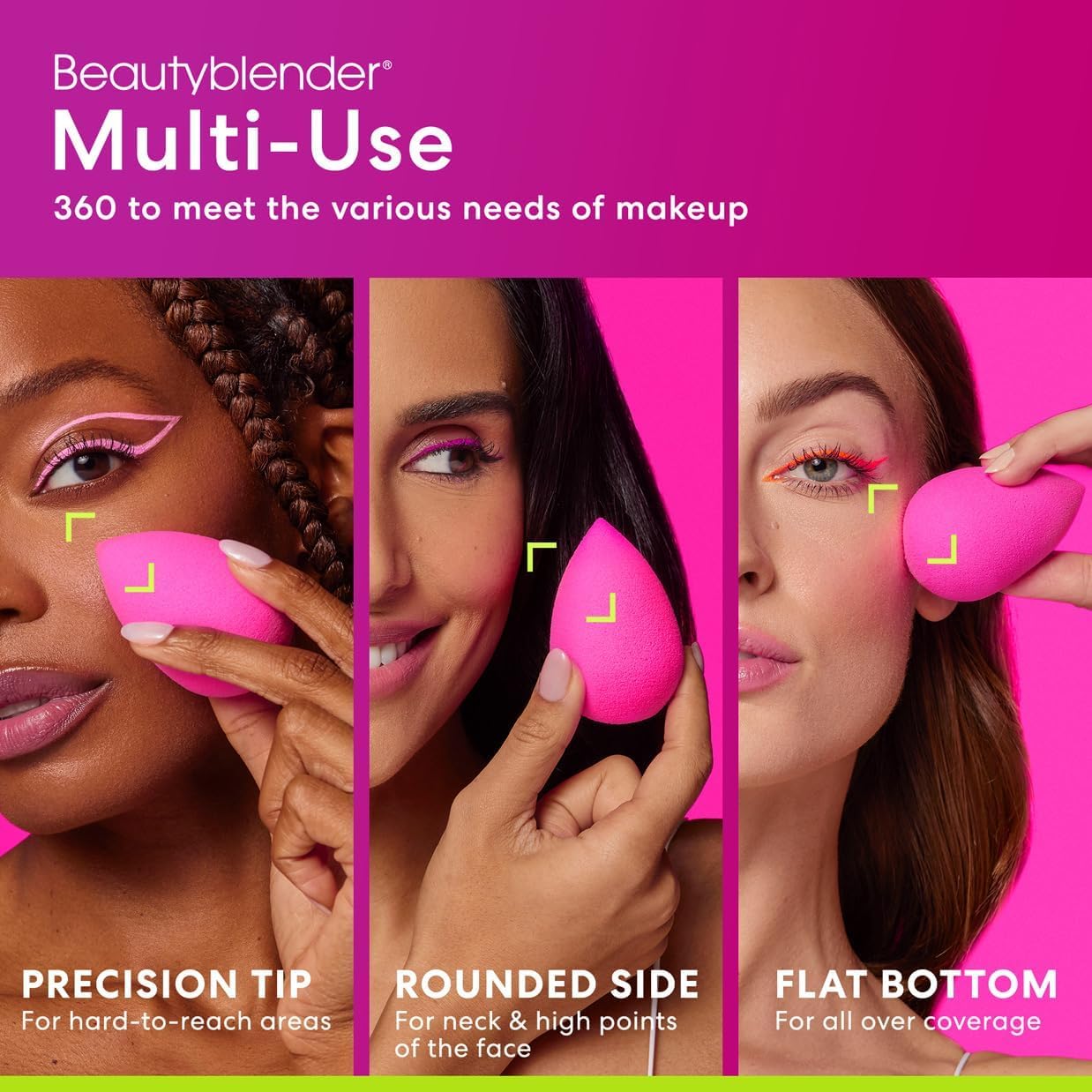
This was the use case I was most curious about. I had read that the pointed tip of the sponge was designed for precise placement, and I wanted to test whether that was real or just marketing. I used a cream bronzer along my temples and a cream blush on the apples of my cheeks, then used the tip to blend edges. It worked with more control than I expected. The pointed tip is not a gimmick. It reaches the inner corners of eyes and the bridge of the nose in a way that the rounded base cannot, and on the nights I wanted a more sculpted look, I found myself reaching for this over any dedicated contour makeup brush in my kit. That surprised me.
What Other People Are Saying
The beautyblender Original Pink carries a 4.5-star rating across nearly nineteen thousand reviews, a number that is difficult to dismiss as a fluke. At that volume, a rating holds.
The pattern in that data is consistent: reviewers with dry skin and reviewers with oily skin both report the same streak-free finish, which suggests the super-soft foam makeup sponge is genuinely adaptable across skin types rather than engineered for one. The most common complaint, appearing across multiple reviews, is product absorption during the first few uses. My experience matched that exactly, so it seems less like a defect and more like a break-in period worth knowing about before you start.
Who Should Skip It
If you have a very dry, flaky skin texture and rely heavily on a full-coverage formula to smooth the surface, a sponge’s stippling motion can sometimes lift dry patches instead of covering them. In that case, a damp beauty sponge works better as a second step after a brush application rather than the primary tool. Anyone who prefers matte, high-coverage, full-opaque finishes may also find the sponge thins product more than they want, since the nature of the technique is sheering out formula for that skin-like finish. And if you are someone who genuinely will not commit to rinsing a sponge after each use, the hygiene math on a reusable foam applicator does not work in your favor. This is a tool that requires a small, consistent maintenance habit to perform well. It is worth noting for anyone considering adding it to a beauty gift guide shortlist.
What It Replaces on My Vanity
I had a flat kabuki brush that I had been using for foundation for roughly eight months. It was a good brush, part of a professional makeup brush set I bought two winters ago, and I genuinely liked it for powder. But it was wrong for liquid foundation. I knew it was wrong. I kept using it anyway because inertia is a powerful force in a morning routine. The beautyblender replaced it for all liquid and cream application, and the kabuki moved exclusively to setting powder duty where it belongs. My counter is not more crowded. I just use what I have more correctly now.
There was also a precision makeup applicator I had been using around my eyes that the pointed tip of the beautyblender has mostly made redundant. Two things replaced by one small pink sponge. I find that satisfying in a way that good, simple tools tend to be.
FAQ
How do I clean the beautyblender, and how often?
Rinse after every use with warm water. Deep clean with a gentle soap or the brand’s solid cleanser at least once a week. A clean sponge applies product more evenly and lasts significantly longer than one with product buildup in its core.
How long does the beautyblender makeup sponge actually last?
With daily use and consistent cleaning, the foam holds its shape and bounce for approximately three months before it starts to degrade. The brand recommends replacing every three months, and in my experience that timeline is accurate rather than a sales tactic.
Can I use this with powder products, not just liquids?
Yes. Using the dry sponge, without any water, to press setting powder into the skin gives a very natural, non-chalky finish. The dry technique is different from the wet technique but equally useful, especially for baking or for pressing powder into the under-eye area without disturbing concealer underneath.
Does the quality actually match the beautyblender brand reputation?
The short answer is yes. The foam density, the rebound speed, the way it holds its egg shape wash after wash, all of it reads above what you would expect from a standard everyday beauty tool in this tier. For what you are paying, the finish quality and the durability both justify the decision. This is not a sponge that falls apart after two weeks.
Is the beautyblender made with latex?
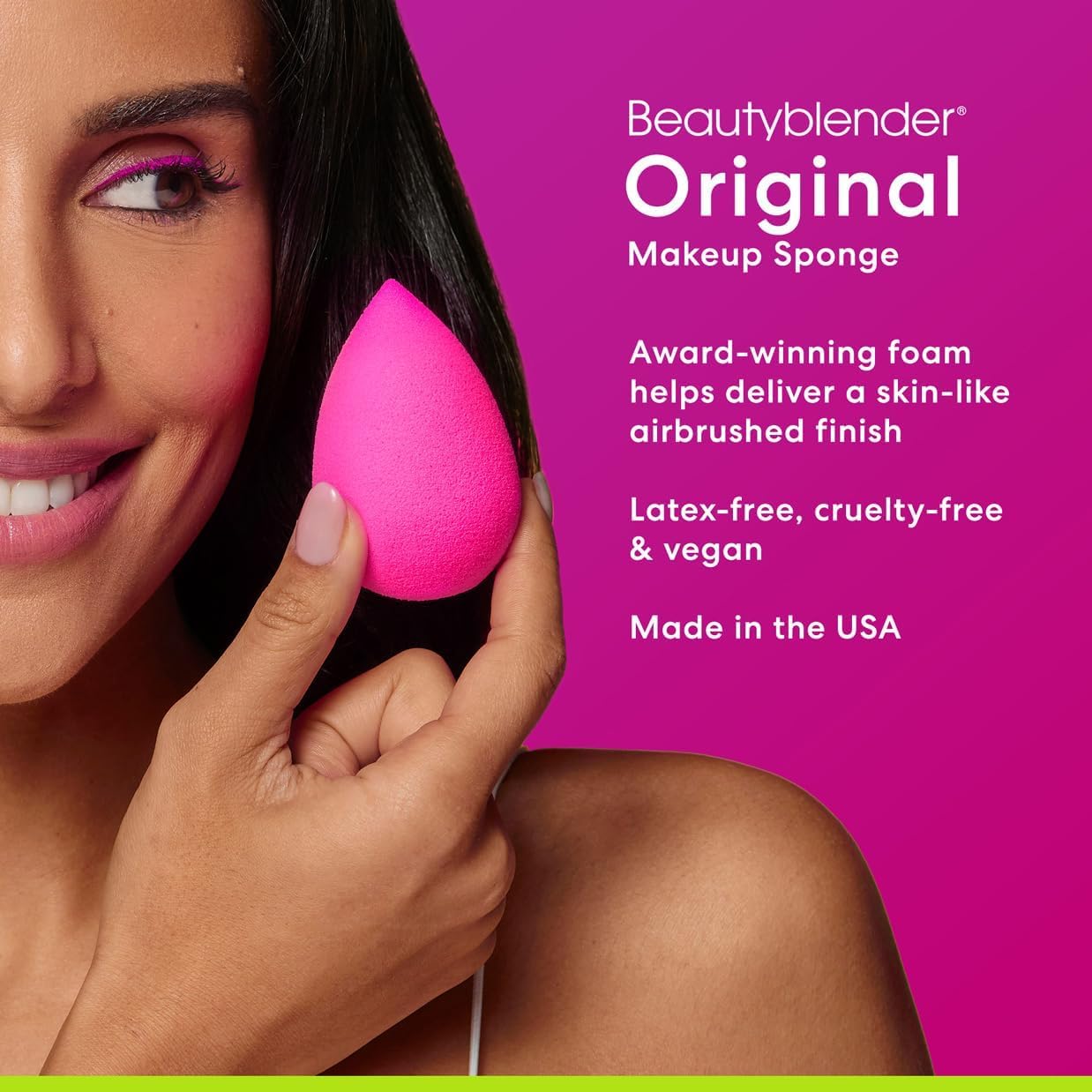
No. The Original is made from non-latex foam, which makes it safe for people with latex sensitivities. The brand also notes it is made in the USA and formulated to be free of harmful materials.
The Verdict
Three weeks from now, I know exactly where this sponge will be. In that ceramic dish on the left side of my counter, slightly damp from its morning rinse, waiting for a Tuesday. The Beautyblender Original Pink Beauty Blender Makeup Sponge earned that counter space by doing one specific thing consistently and well: it makes everyday foundation application look less like makeup and more like skin. That is a harder thing to achieve than it sounds, and most tools do not do it reliably. This one does, once you learn the technique, once you get the dampness ratio right, once you stop reaching for the brush out of habit. The foam is genuinely soft in a way that reads in the finish, and the shape is not arbitrary design. It is functional. I resisted taking the hype seriously for longer than I should have, and that was my mistake. As a reusable, washable, beginner-accessible makeup blending sponge, this is the one I would reach for first when advising anyone who wants to understand what their foundation is actually capable of. Explore our full editor’s tool picks if you are building a new kit from scratch, but start here.
Bottom line: The beautyblender Original is the makeup sponge against which every other sponge gets measured, and after three weeks, I finally understand why.
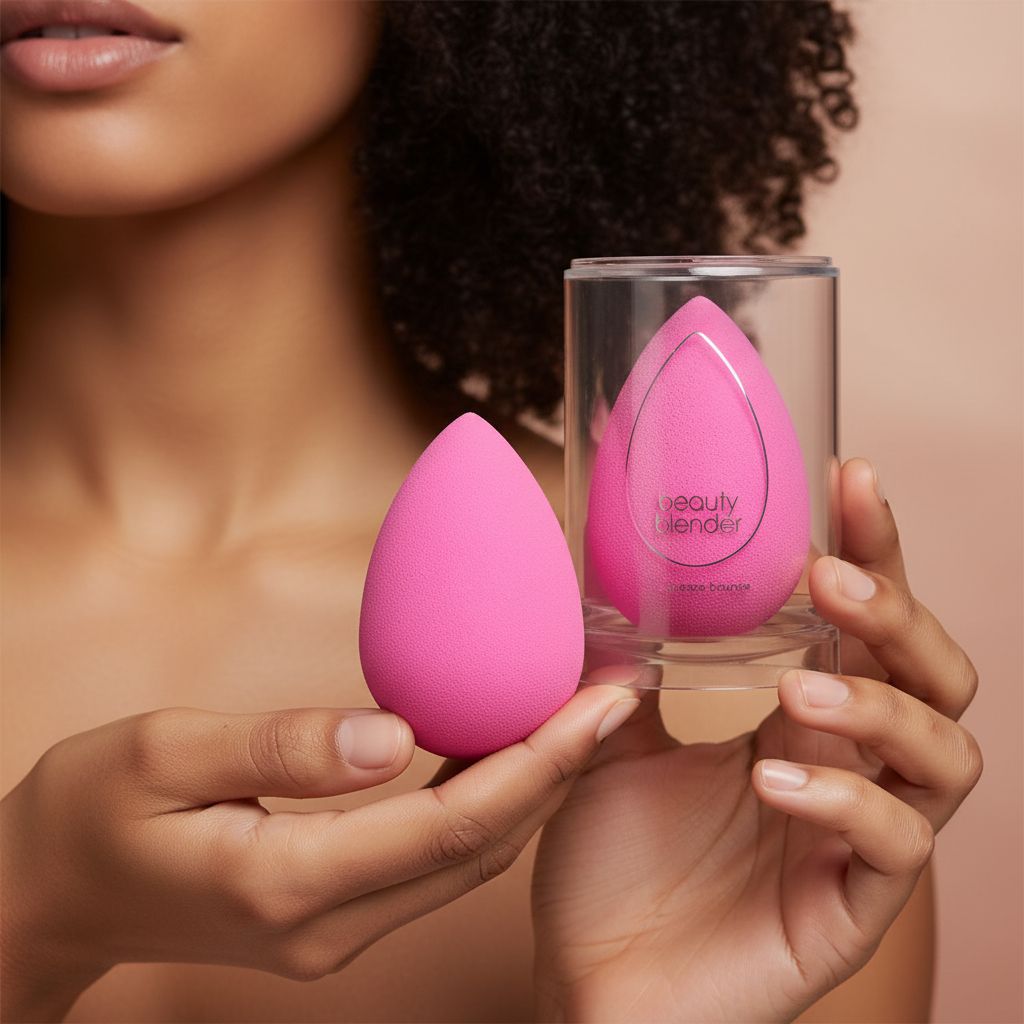
Every Angle
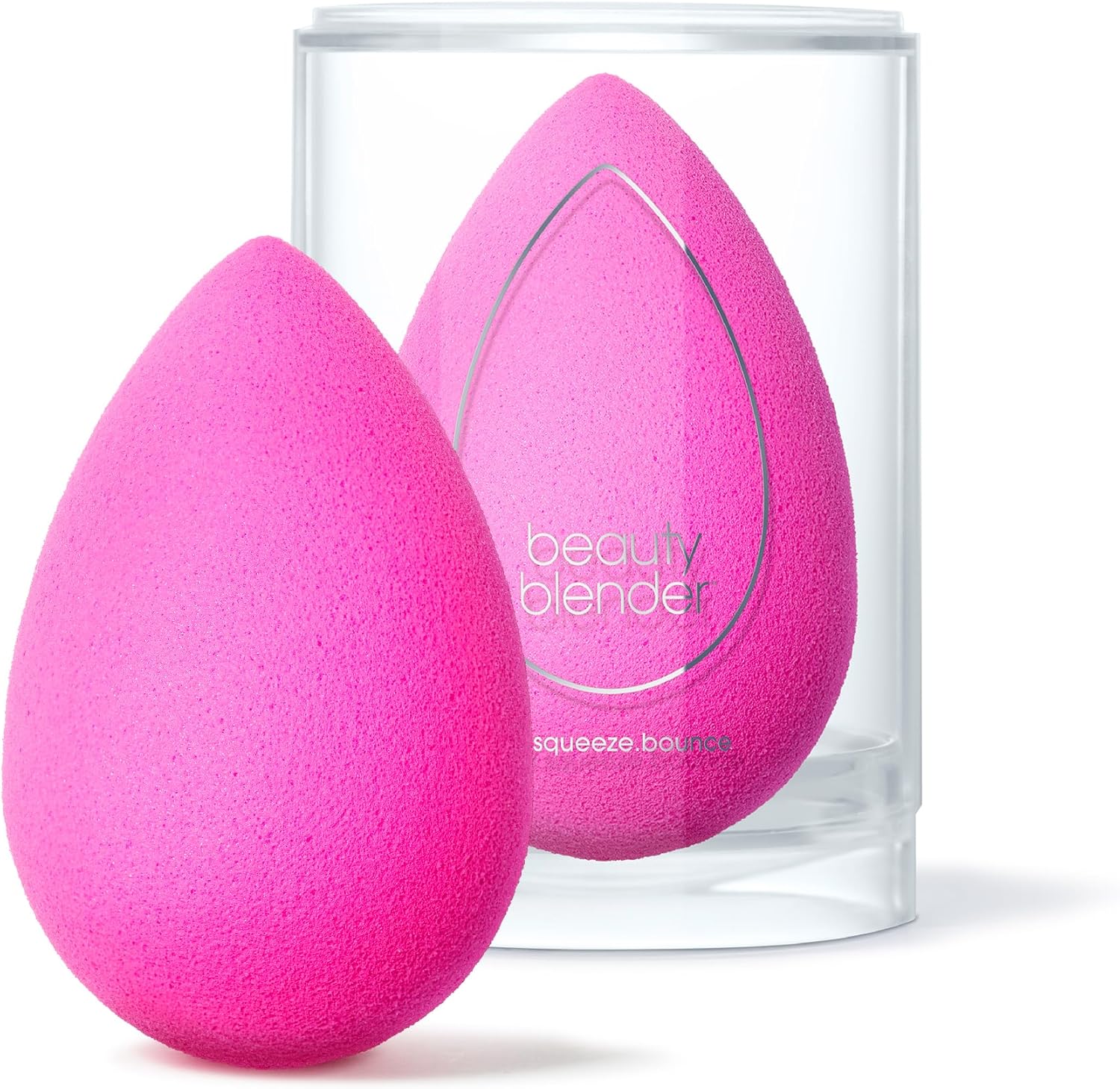
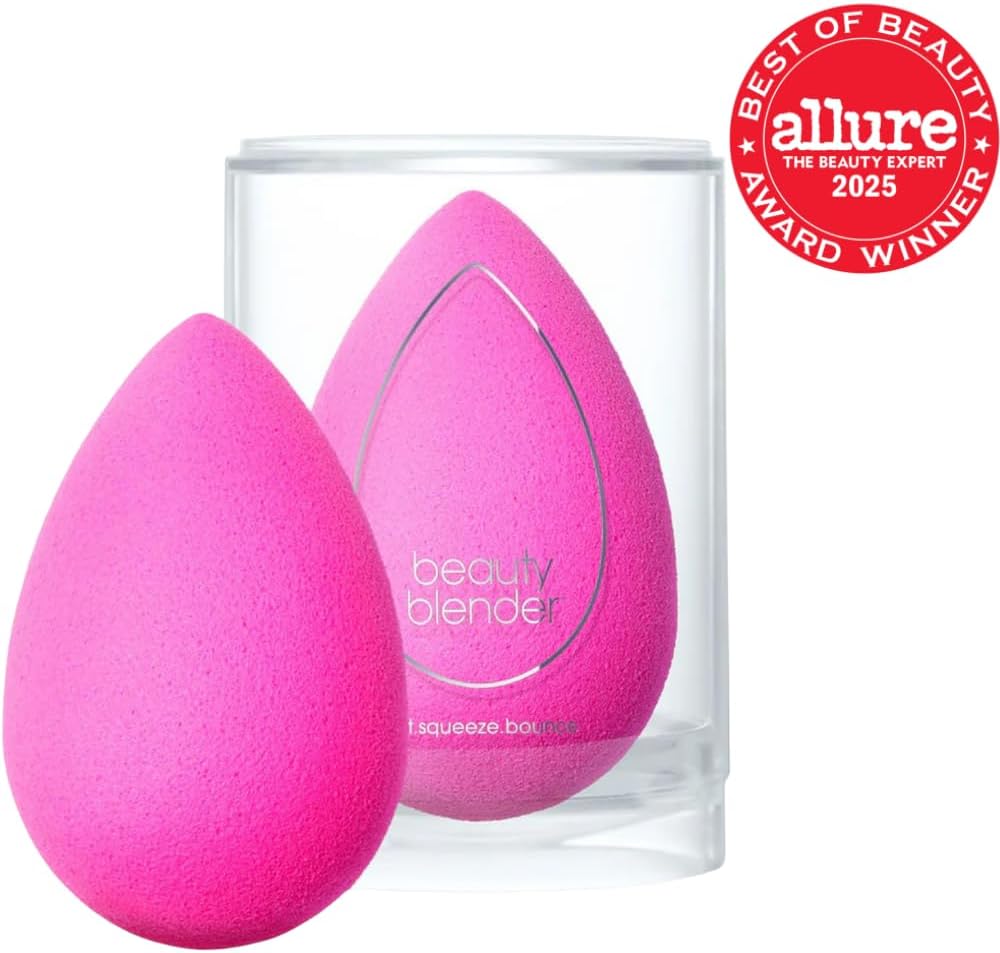
The tool as photographed for Amazon — front, side, back, detail.
As an Amazon Associate I earn from qualifying purchases.